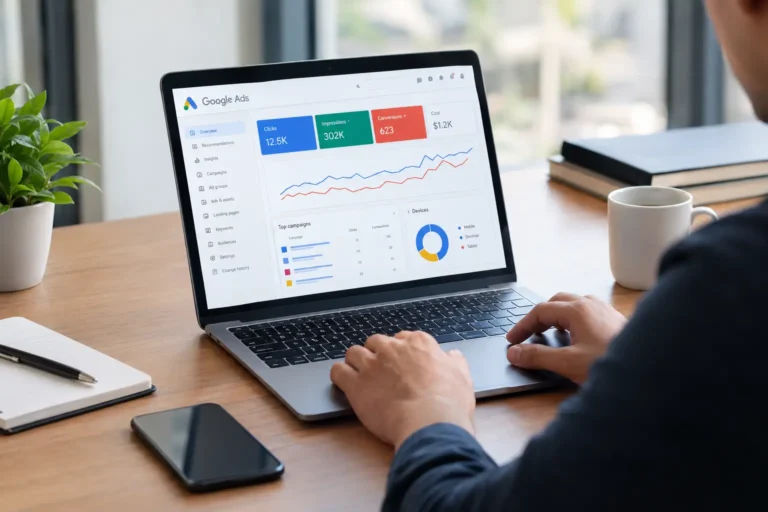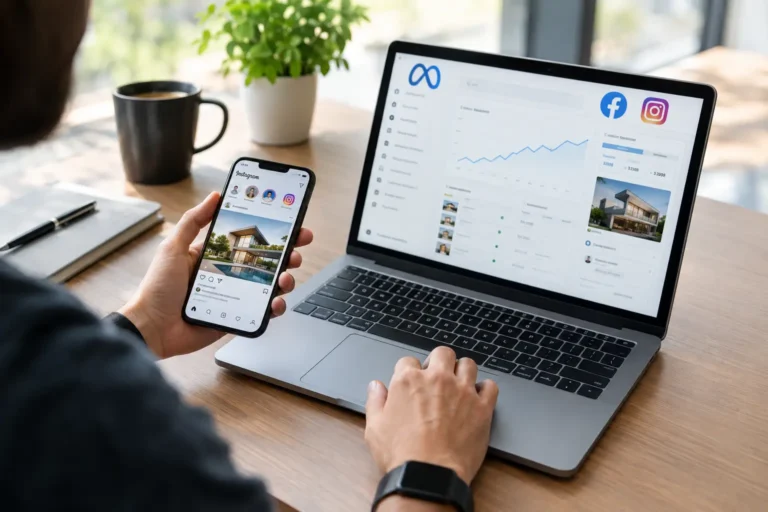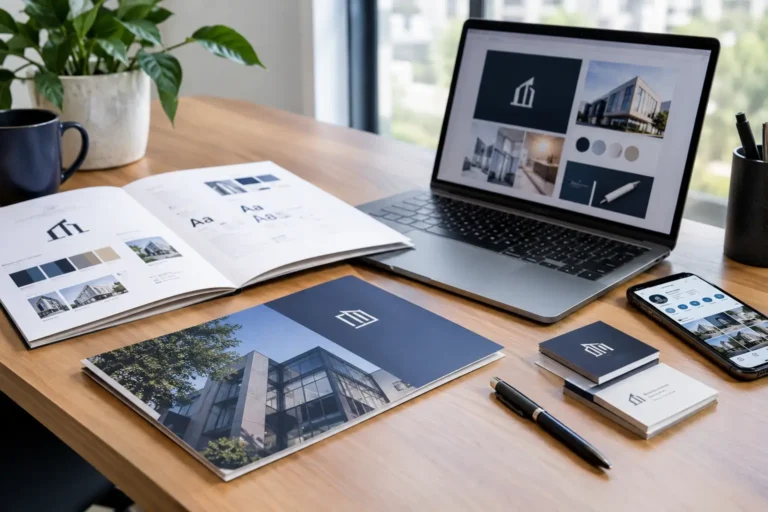

 A company can launch an advertising campaign in a few hours. Building trust takes longer. That difference becomes obvious when a strong ad sends customers to a confusing website, an inconsistent Instagram page or a company profile that looks like it belongs to another business. Branding is not about making everything fancy. It is about helping people recognize a business, understand its promise and feel confident enough to make contact. For a clinic, salon, construction firm or retailer, consistency matters because customers may see the brand in several places before they decide.
Start with what the business actually stands for
Before discussing fonts and colors, ask what the customer should remember. Is the business known for speed, specialist expertise, personal service, accessible pricing or careful workmanship? Those claims need support. A company that says premium experience but answers inquiries casually and uses unclear proposals creates a mismatch. Write a short positioning sentence: We help [customer] solve [problem] through [service or method]. The final wording need not be published exactly, but it should guide headlines, project examples and sales conversations. When nobody can finish the sentence, design work tends to become random decoration.
Audit the main customer touchpoints
Open the website, Facebook page, Instagram profile, Google Business Profile, WhatsApp business profile and latest PDF proposal. Check the logo, business name, contact information, services and overall visual language. If the colors and typography are slightly different but clearly related, that is normal. If the service promise changes entirely from channel to channel, the brand feels unsettled. A customer should know they are dealing with the same business. In the real estate industry, that means property listings, brochures and lead forms feeling connected. In clinics, it extends to appointment cards and reception signage. For product businesses, it includes packaging, catalogues and promotional posts.
Make the logo usable, not just attractive
A useful identity system includes variations that work on light and dark backgrounds, at small sizes and on different materials. Test the logo as a profile picture, website header, printed business card and video watermark. If the business name disappears when the logo is small, a simplified lockup may be necessary. Document the colors, type styles, spacing and acceptable logo treatments. A short brand guide is often enough for a small company, provided the team actually follows it. Consistency is easier when people have access to approved design assets rather than recreating them for every post.
Give your brand a recognizable way of speaking
Copy is part of identity. A business that uses complicated corporate language on its homepage and casual slang in proposals may confuse customers. The tone can adapt to channels, but the core message should remain recognizable. Explain services in words customers use, not only internal industry terms. For a dental clinic, clearer service names and transparent appointment information can matter more than clever slogans. For a software company, a concise explanation of the business problem solved may have more impact than a page full of technical capabilities. The customer’s question should shape the copy.
Build proof into the visual system
Real project photographs, genuine customer feedback, actual product shots and verified case studies support trust. Use testimonials only with permission and avoid inventing ratings or performance figures. A design that looks sophisticated but depends on fabricated proof is a liability, not an asset. If you have little portfolio material, start documenting your process. Show how you work, the steps customers can expect and examples of service deliverables. Process proof is often stronger than empty claims about being the best in the market.
Then prepare the advertising creative
Once the brand foundations are clear, advertising is easier to produce. The offer can use the same identity, language and trusted visuals. A campaign landing page should look connected to the ad. If an advertisement promises a specific package, the website needs to explain what is included and where exclusions apply. For Pakistan and Saudi Arabia, businesses may serve different language needs and purchasing expectations. Decide which audience a campaign is targeting before producing every creative in the same language or assuming one message fits all. Localization is about understanding customers, not decorating a post with country flags.
A quick readiness checklist
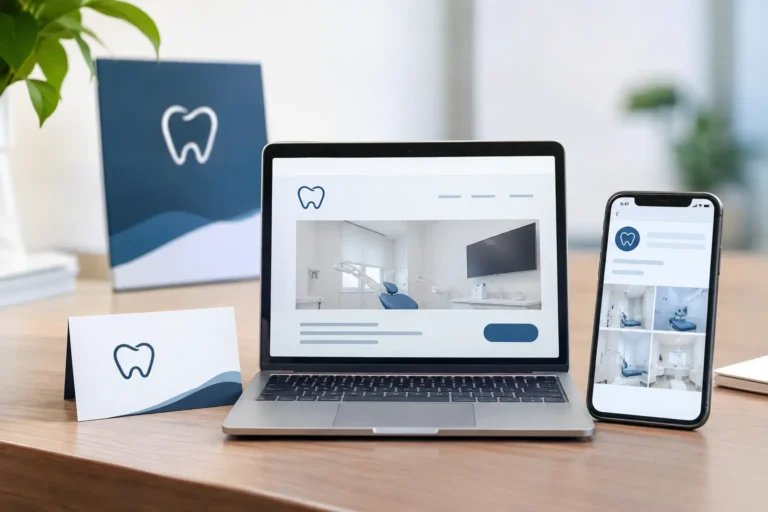
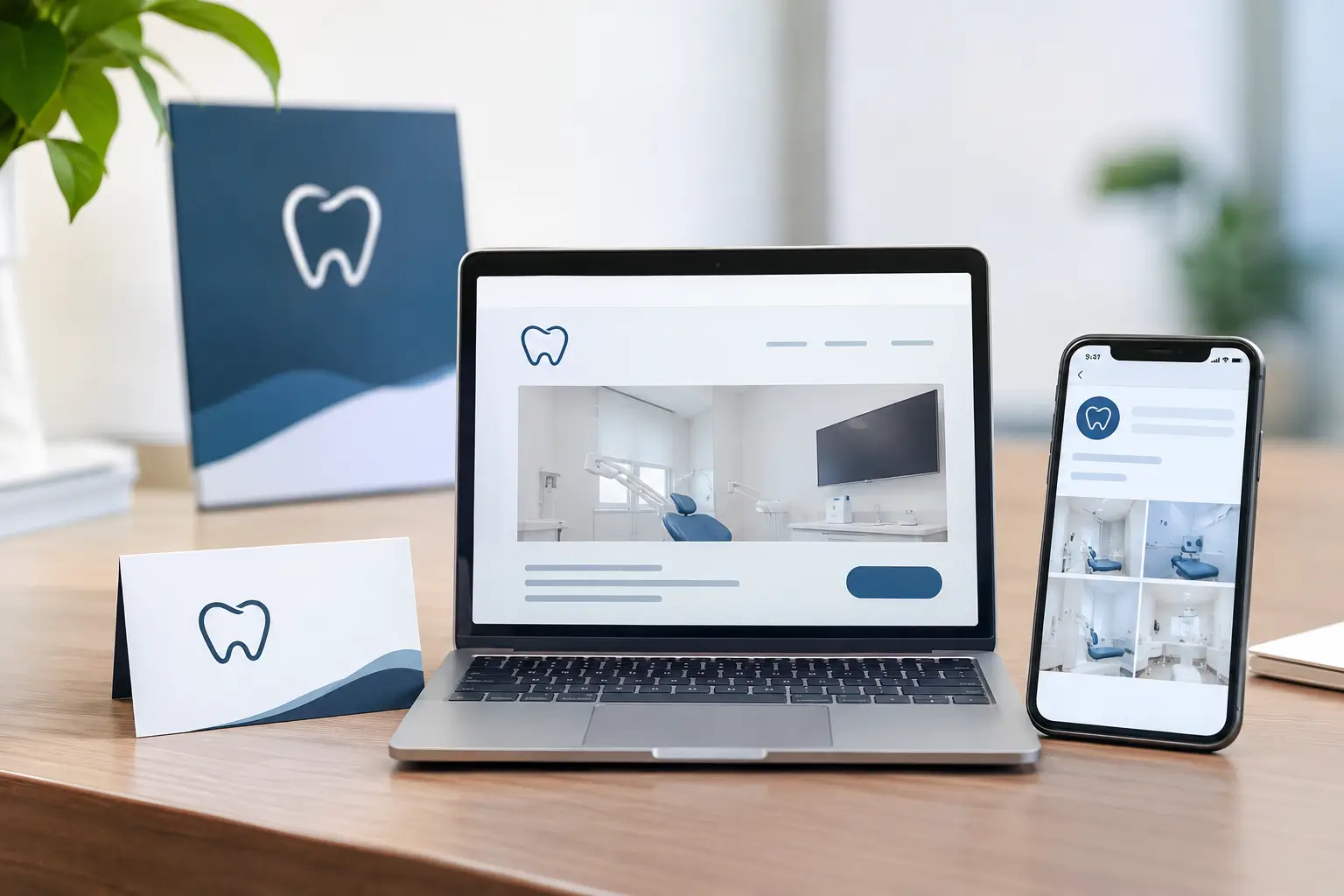
Check five things before the first advertising spend: a clear service promise, usable visual identity, consistent contact information, credible evidence and a relevant destination page. Ask a person unfamiliar with the company to review the materials for one minute. Can they explain the service, recognize the brand and find the next step? DEZINIC’s GloSmile Clinic project illustrates how branding, website development, photography, print and local visibility can be designed together. That kind of consistency is valuable because customers rarely experience a business through just one touchpoint. A good campaign can bring attention. A clear identity helps people know what that attention is supposed to mean. If your business has been spending on promotion but looks different everywhere, consider fixing the foundations before increasing the budget. DEZINIC can help connect brand identity, website and campaign direction in one practical plan.
Questions readers may ask
Q: Do small businesses need a large brand manual? A: Usually not initially. A concise guide with usable logos, colors, typography and messaging often covers the essentials. Q: Should branding happen before advertising? A: At least ensure the core identity, promise and destination pages are clear before paying for substantial promotion. Q: What proves credibility? A: Authentic work, genuine reviews with permission and accurate process information rather than invented awards or ratings.
At Dezinic, we help businesses in the Pakistan, UAE, Canada and the USA turn ideas into impactful digital experiences. From custom websites and SEO strategies to branding, design and ads management, our services are built to fuel growth and visibility. Explore our portfolio to see real results, browse our services to find the right fit for your business or check out our FAQ’s for quick answers.
If you have any questions regarding “branding checklist before launching ads” feel free to contact us. For inquiries and consultations, call us at: +923464411556 or Email us at: hello@dezinic.com
Disclaimer: The above information is subject to change and represents the views of the author. It is shared for educational purposes only. Readers are advised to use their own judgment and seek specific professional advice before making any decisions. Dezinic is not liable for any actions taken by readers based on the information shared in this article. You may consult with us before using this information for any purpose.